

So You Drove Into Your Garage Door, Now What?
So You Drove Into Your Garage Door, Now What?
If you accidentally drive into your garage door, you must know precisely what to do. Our local garage door experts provide detailed step-by-step instructions and tips to help you navigate this process successfully, ensuring your Long Island property is back in working order as soon as possible.
What to Do if You Drove Into Your Garage Door on Long Island
If you’ve driven into your garage door, there’s a reliable sequence of steps you can follow to minimize damage and ensure optimal results.
1. Stop the Car Completely
If you hit a garage door, immediately stop the car and engage the parking brake. While it may seem obvious to do so, it can be difficult to think clearly in the midst of an accident. Stopping the car prevents you from accidentally rolling or accelerating into the door, exacerbating the damage.
2. Check on Your Passengers
If you had anyone in the car with you, take a moment to check everyone for injuries or signs of shock. Call for medical assistance if necessary, though it’s unlikely unless you hit the garage door with some force, rather than a simple rollback or short acceleration.
3. Don’t Open the Door
Avoid operating the door after any kind of collision. You may want to disconnect the door opener from the power source as well to avoid accidental operation. At this point, opening the garage door may do more harm than good, since you may unintentionally exaggerate existing damage. You might further bend the frames and tracks, dislodge the door from the frame or damage door panels.
4. Evaluate the Extent of the Damage
Before you can make an informed decision about your next steps, you need to understand what you’re dealing with. This step is essential for both insurance purposes and for communicating with a repair specialist. Before doing anything else, study the door to determine which parts are damaged, and take pictures if possible.
For effective communication, you’ll need to know what the door is made of, as well as the extent and location of the damage. Remember to inspect the door panels, frame and components for damage of any kind. A Long Island technician can also provide a swift and accurate assessment.
If you plan on submitting an insurance claim, it’s essential that you document the damage to both the garage door and your car. Use photos and videos, and get a detailed repair estimate from your door specialist for submission to your insurer.
5. Contact Your Local Repair Specialist
Now that you understand the damage, you’re ready to contact a repair technician and get an estimate. Contact a local repair specialist, like A Better Door Co., Inc, and explain the extent of the damage. They should be able to give you a provisional estimate before arranging to come and view the damaged door in person.
After evaluating the damage, the repair technician will provide a list of potential solutions for your particular case. These may range from minor repairs to full replacements. They’ll explain the advantages and disadvantages of each, allowing you to make an informed decision about your preferred option.
Common Damage Types When You Hit a Garage Door
Generally, if you hit your garage door with a vehicle, it results in one of a few kinds of damage. Whether you’ve backed into the door or rolled too far forward, you’re likely to see issues like:
- Bent or bowed tracks and rollers: When a car hits a garage door with enough force, especially when the garage door is solid, it can easily push the rollers out of the track, or even bend and warp the track or roller. In many cases, track repair or roller repair can solve the problem.
- Snapped springs or broken cables: Even a surprisingly mild bump can sometimes force a spring or cable beyond its ability to stretch, causing it to break or bend and become unusable. In these cases, spring replacement or cable replacement is best, as they are generally impossible to repair.
- A misaligned, sagging or hanging door: By accidentally warping or damaging the door, frame, cables or tracks, you can force the door out of position. In these cases, the door can become a safety hazard since it’s likely to collapse or fall out of the frame at some point. Most often, a garage door replacement is the best solution.
- Dented or cracked door frames: Has your vehicle hit your garage door really hard? It’s entirely possible that the door forced the frame out of position, bending or cracking it. In these cases, the frame may require either repair or replacement, depending on the damage severity.
- Broken door panels: If you have a door that consists of many panels, you can easily break or bend one of these panels when you hit it with your car. Depending on the severity of the damage, door panel repair may be sufficient to restore your door to working order.
Do Insurers Cover Garage Door Damage From Your Car?

One of the first things many people ask when they hit their garage door with a car is whether or not their insurance policy covers this kind of damage. Many insurance policies will cover accidental damage of this kind. However, it’s worth discussing the matter with your policy provider before submitting a claim. In some cases, paying for repairs out of pocket makes better financial sense in the long term if the premium increase after a claim is prohibitive.
Depending on the details of your auto insurance policy, you may also be able to lodge a claim for any damage to your car.
Can You Repair a Dented Garage Door?
It may be possible to repair a dented garage door, depending on the extent of the damage. In some cases, it makes more sense to replace the garage door or garage door panel to ensure the door remains stable and safe to use.
Contact a Garage Door Specialist Near Long Island
Once you’ve determined that everyone in the car is safe and unharmed, evaluated the extent of the damage and informed your insurance company, you’re ready to discuss repairs. Contacting a reliable garage door specialist near you offers significant benefits. Family-owned for over 30 years, with an A+ BBB rating, A Better Door Co., Inc serves Long Island and the surrounding areas with free over-the-phone estimates.
Contact us at 631-732-9654 for a reliable evaluation of the damage and trustworthy repair recommendations. Our emergency repair services can help, whether you’ve backed into a garage door or your garage door opener suddenly fails.
Items to Avoid Storing in Your Garage
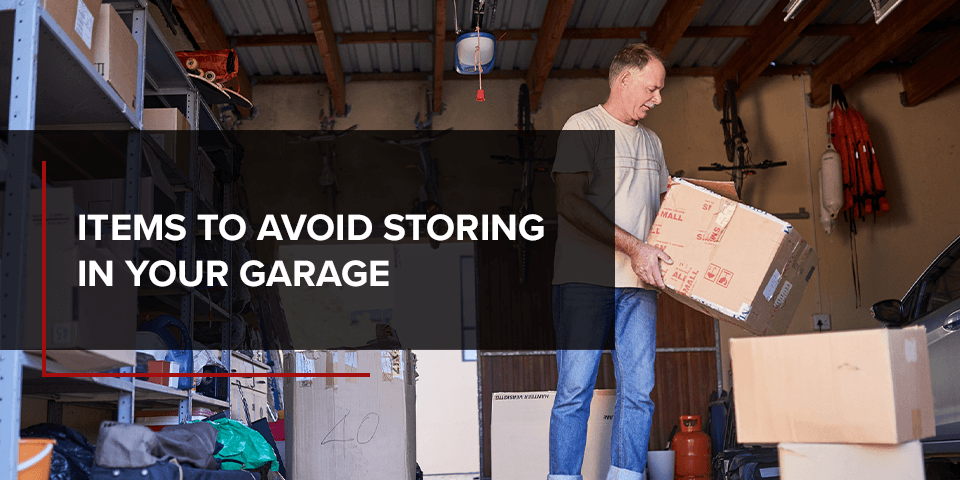
Having a garage is a big convenience when you can use it to store more than just your car. While the extended space allows you to stash and organize items you can’t fit in your home, some possessions can’t survive in the garage. You should keep these items in your home instead of this area.
While a garage’s extra storage room is helpful, you want to make sure your personal property doesn’t fall victim to the elements of the garage, such as fluctuating temperatures, pests and moisture.
Take a detailed inventory after reading this list of items not to store in your garage and see if you should move any of your possessions inside your home.
12 Items Not to Store In Your Garage
You want to keep your items and your garage in good condition. Taking the time to find items you should not keep in a garage is a great way to maintain your belongings and declutter and donate anything you don’t need. Move possessions like these into your home. The following are items of what not to store in your garage:
1. Old Photos
Keep your cherished printed photos out of the garage. The garage’s humidity and fluctuating temperatures can ruin pictures, causing them to stick together or lose their color. Store them in a temperature-controlled, dry place inside your home instead. As a bonus, it’s easier to flip through your cherished memories when you keep them nearby.
2. Propane Tanks
Propane tanks can be dangerous in a garage if they leak or aren’t secure. A propane tank with a leak can easily ignite when introduced to a spark from sources like starting your car or working with certain tools. Protect your garage, your home and your household members by storing propane tanks appropriately.
3. Wood
Anything made of wood — including furniture, firewood and other important belongings — can become damaged in the garage. The moisture and extreme temperatures can cause the material to expand and contract. This process can alter any wood you store in this space.
Keeping firewood in the garage can also attract pests, like damage-causing termites. Have only the amount of firewood you need in the garage to prevent pests from finding their way into your home.
4. Old or Delicate Clothing
You need to find a place to store your clothing that’s not of use right now, from seasonal pieces to cherished clothing like wedding dresses or baby clothes. Keeping these items in the garage can attract pests that will ruin the pieces. The heat and humidity can also damage or discolor your clothing. Pack your clothes away in secured storage inside of your home to preserve their condition, whether you’ll be wearing them later in the year or keeping them for the memories.
5. Paint
It’s common to find leftover paint cans in garages. But storing paint in a garage for a long time can ruin it. The fluctuating temperatures can cause the paint to separate and even change color. Your paint then becomes unusable. Instead, store paint cans in a temperature-controlled room that is safe from household members like young children or pets.
6. Food
Any food, even pet and canned food, should be stored inside the house, not in the garage. Storing extra food in the garage can attract pests and rodents. Extreme temperatures can cause the food to become inedible or spoil. Instead, store food in sealed containers in the kitchen.

7. Wine
The garage is the last place you want to keep your wine. Similar to food, the temperature guidelines for wine are crucial to follow. The conditions can alter the wine if it’s too hot or cold, affecting its taste, aroma and appearance. Store wine inside your home to prevent it from spoiling.
8. Cardboard
Avoid using cardboard boxes as storage containers in your garage. Rodents can easily chew through cardboard and make their way to whatever is inside. Also, like photos, cardboard boxes require drier conditions than what’s in your garage. Sturdy storage containers with reliable closures are best for storing items in this space.
9. Important Documents
You should keep all important documents inside of your home and away from moisture. The paper can also attract termites and other pests, which cause more damage.
10. Books
Avoid keeping books in the garage even if you’re running out of room on your bookshelf. The humidity out there can damage books’ pages and bindings. Store extra books in a closet inside your home to keep them safe.
11. Refrigerator or Freezer
In our region across Nassau County and Suffolk County, the extreme temperatures in the garage can make a refrigerator or freezer work harder than necessary to maintain the internal temperature. Many households keep a garage refrigerator to hold spare food or drinks, but the amount of extra power the appliance uses can decrease its functionality over time.
12. Electronics
Storing electronics in the garage may not be the best idea, as your garage can go from sweltering hot in the summer to freezing cold in the winter. High heat can cause internal components to overheat, while freezing temperatures can cause condensation and moisture buildup, potentially damaging sensitive electronic parts.
Garages are notorious for being damp and humid. The downside is that moisture can seep into electronic devices, leading to corrosion, short-circuiting and other damage.
Rodents love to chew on wires and cables, which can result in costly damage and even pose a fire risk. Creepy crawlies like spiders and cockroaches can also find their way into your electronics and make them their new cozy home, causing damage in the process.
What Should You Store in Your Garage?
While you should avoid storing certain possessions in your garage, some belongings are fine to stay out there. For extra protection against harsh climates, get a professional to seal your garage and have a high-insulated garage door. This will prevent the atmosphere outside from affecting the temperature and environment within your garage. It will also increase your garage storage safety. After you declutter your garage and make more space, you can find places to keep some new items:
- Your vehicle: The purpose of your garage is to keep your vehicle safe and protect it from outside elements. Now that you’ve made more space in your garage, you have room to park your car.
- Tools: Many people use their garage as a workplace for maintenance on their vehicles or other projects. You can store tools in your garage by adding a workbench or shelves to organize them.
- Gardening and yard supplies: Shovels, rakes and other essential gardening tools are suitable to keep in the garage. Hang them on the walls to save on storage space and prevent clutter.
- Outdoor toys: Sports equipment, pool floaties, patio furniture and any outdoor activity gear that can withstand the outdoor elements will be fine in the garage.
- Household supplies: Buying household supplies in bulk or stocking up on nonperishable food items is a smart way to save money and reduce trips to the store.
- Seasonal items: You can also keep seasonal items like holiday decorations or winter gear like snow shovels in the garage so they’re easily accessible.
Safe Storage Habits for Your Garage
The garage can quickly become a catch-all space for storing various items, but effective organization is key to keeping it functional and accessible. Here are some practical tips on how to store items in your garage:
- Categorize and group similar items: Start by categorizing and grouping similar items together. For example, keep all your tools in one area, sports equipment in another and seasonal items in a designated spot. This will make it easier to locate items and prevent clutter.
- Utilize storage solutions: Invest in storage solutions such as shelves, cabinets, pegboards and hooks to keep your items organized and off the floor. Store frequently used items at eye level or within easy reach.
- Use clear containers and labels: Use clear plastic containers with lids to store smaller items like nails, screws or small tools. Label the containers for easy identification. This will save you time and effort in searching for items and help you keep everything neat and organized.
- Regularly declutter: Regularly go through your garage and declutter unneeded or unused items. Donate or dispose of broken, outdated items that no longer serve a purpose.
- Create traffic flow: Consider traffic flow in your garage when organizing items. Keep frequently used items near the entrance for easy access, and ensure clear pathways for moving around. Avoid blocking doors, windows or electrical panels with stored items.
- Maintain a cleaning routine: Regularly clean your garage to keep it tidy and free of dust, dirt and debris. Sweep or vacuum the floor, wipe down shelves and cabinets and keep tools and equipment clean and well-maintained.
- Get a high-quality door: A properly insulated and sealed garage door can make a huge difference to the environment and security of your garage. A good garage door will enable safe storage in a garage.
Keep Your Items Safe Behind Your Garage Door
Now that you know what you can and can’t store in your garage, keep your possessions secure with a new garage door or services from A Better Door Co., Inc. We’re proud to provide the highest quality installations, repairs and preventative maintenance to residents in Suffolk and Nassau counties.
For any of your residential garage door needs, contact us today or request a free estimate for garage door maintenance.