

So You Drove Into Your Garage Door, Now What?
So You Drove Into Your Garage Door, Now What?
If you accidentally drive into your garage door, you must know precisely what to do. Our local garage door experts provide detailed step-by-step instructions and tips to help you navigate this process successfully, ensuring your Long Island property is back in working order as soon as possible.
What to Do if You Drove Into Your Garage Door on Long Island
If you’ve driven into your garage door, there’s a reliable sequence of steps you can follow to minimize damage and ensure optimal results.
1. Stop the Car Completely
If you hit a garage door, immediately stop the car and engage the parking brake. While it may seem obvious to do so, it can be difficult to think clearly in the midst of an accident. Stopping the car prevents you from accidentally rolling or accelerating into the door, exacerbating the damage.
2. Check on Your Passengers
If you had anyone in the car with you, take a moment to check everyone for injuries or signs of shock. Call for medical assistance if necessary, though it’s unlikely unless you hit the garage door with some force, rather than a simple rollback or short acceleration.
3. Don’t Open the Door
Avoid operating the door after any kind of collision. You may want to disconnect the door opener from the power source as well to avoid accidental operation. At this point, opening the garage door may do more harm than good, since you may unintentionally exaggerate existing damage. You might further bend the frames and tracks, dislodge the door from the frame or damage door panels.
4. Evaluate the Extent of the Damage
Before you can make an informed decision about your next steps, you need to understand what you’re dealing with. This step is essential for both insurance purposes and for communicating with a repair specialist. Before doing anything else, study the door to determine which parts are damaged, and take pictures if possible.
For effective communication, you’ll need to know what the door is made of, as well as the extent and location of the damage. Remember to inspect the door panels, frame and components for damage of any kind. A Long Island technician can also provide a swift and accurate assessment.
If you plan on submitting an insurance claim, it’s essential that you document the damage to both the garage door and your car. Use photos and videos, and get a detailed repair estimate from your door specialist for submission to your insurer.
5. Contact Your Local Repair Specialist
Now that you understand the damage, you’re ready to contact a repair technician and get an estimate. Contact a local repair specialist, like A Better Door Co., Inc, and explain the extent of the damage. They should be able to give you a provisional estimate before arranging to come and view the damaged door in person.
After evaluating the damage, the repair technician will provide a list of potential solutions for your particular case. These may range from minor repairs to full replacements. They’ll explain the advantages and disadvantages of each, allowing you to make an informed decision about your preferred option.
Common Damage Types When You Hit a Garage Door
Generally, if you hit your garage door with a vehicle, it results in one of a few kinds of damage. Whether you’ve backed into the door or rolled too far forward, you’re likely to see issues like:
- Bent or bowed tracks and rollers: When a car hits a garage door with enough force, especially when the garage door is solid, it can easily push the rollers out of the track, or even bend and warp the track or roller. In many cases, track repair or roller repair can solve the problem.
- Snapped springs or broken cables: Even a surprisingly mild bump can sometimes force a spring or cable beyond its ability to stretch, causing it to break or bend and become unusable. In these cases, spring replacement or cable replacement is best, as they are generally impossible to repair.
- A misaligned, sagging or hanging door: By accidentally warping or damaging the door, frame, cables or tracks, you can force the door out of position. In these cases, the door can become a safety hazard since it’s likely to collapse or fall out of the frame at some point. Most often, a garage door replacement is the best solution.
- Dented or cracked door frames: Has your vehicle hit your garage door really hard? It’s entirely possible that the door forced the frame out of position, bending or cracking it. In these cases, the frame may require either repair or replacement, depending on the damage severity.
- Broken door panels: If you have a door that consists of many panels, you can easily break or bend one of these panels when you hit it with your car. Depending on the severity of the damage, door panel repair may be sufficient to restore your door to working order.
Do Insurers Cover Garage Door Damage From Your Car?
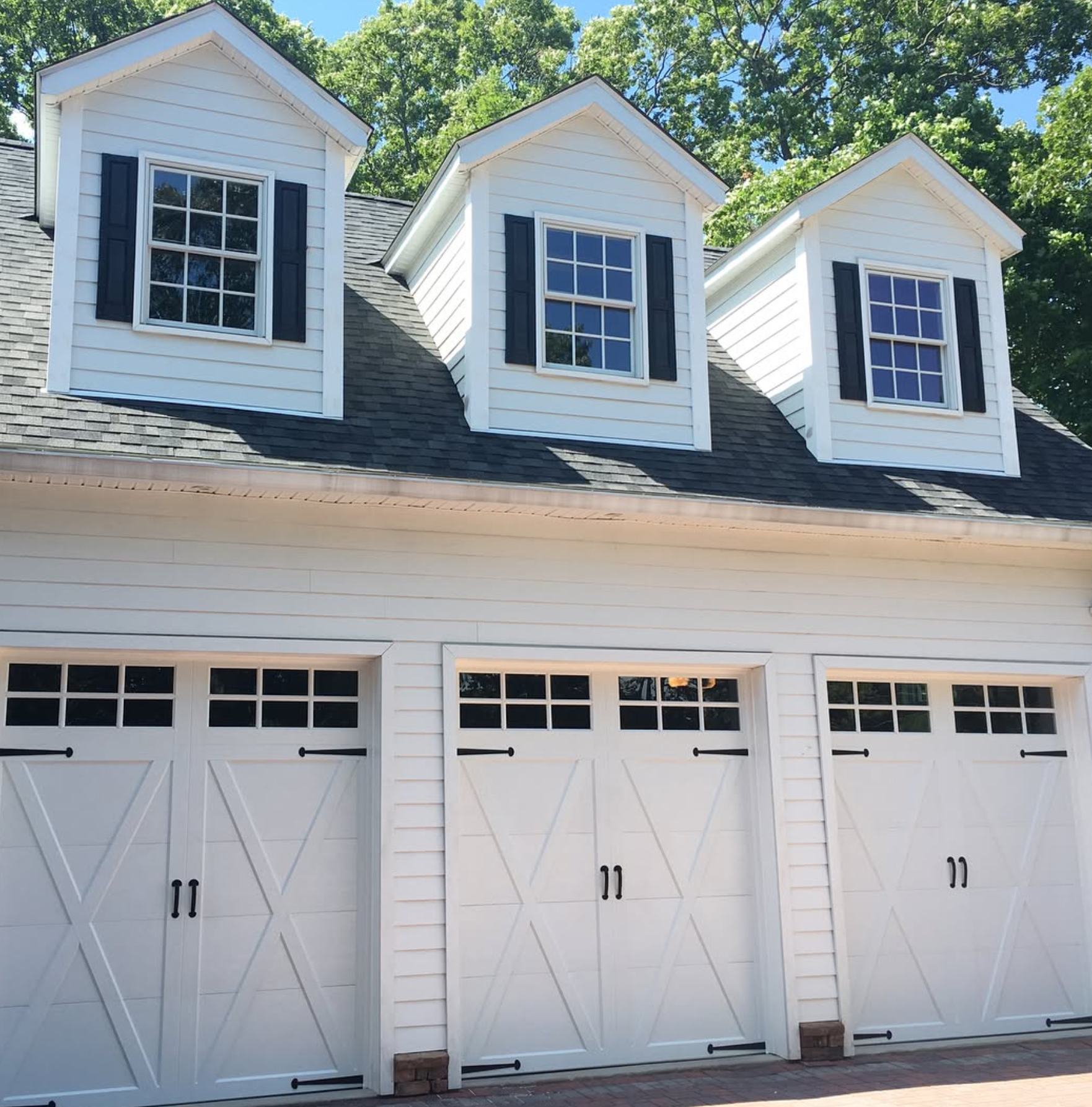
One of the first things many people ask when they hit their garage door with a car is whether or not their insurance policy covers this kind of damage. Many insurance policies will cover accidental damage of this kind. However, it’s worth discussing the matter with your policy provider before submitting a claim. In some cases, paying for repairs out of pocket makes better financial sense in the long term if the premium increase after a claim is prohibitive.
Depending on the details of your auto insurance policy, you may also be able to lodge a claim for any damage to your car.
Can You Repair a Dented Garage Door?
It may be possible to repair a dented garage door, depending on the extent of the damage. In some cases, it makes more sense to replace the garage door or garage door panel to ensure the door remains stable and safe to use.
Contact a Garage Door Specialist Near Long Island
Once you’ve determined that everyone in the car is safe and unharmed, evaluated the extent of the damage and informed your insurance company, you’re ready to discuss repairs. Contacting a reliable garage door specialist near you offers significant benefits. Family-owned for over 30 years, with an A+ BBB rating, A Better Door Co., Inc serves Long Island and the surrounding areas with free over-the-phone estimates.
Contact us at 631-732-9654 for a reliable evaluation of the damage and trustworthy repair recommendations. Our emergency repair services can help, whether you’ve backed into a garage door or your garage door opener suddenly fails.
The Top 5 Garage Door Issues
The Top 5 Garage Door Issues
Your garage door is used daily, from leaving for work to family road trips and visitors. Fortunately, licensed professionals are trained to quickly identify and fix common garage door issues, from worn and damaged components to misalignment and malfunction.
In this blog, we will explore the top five garage door issues, how they occur and how a professional may address them.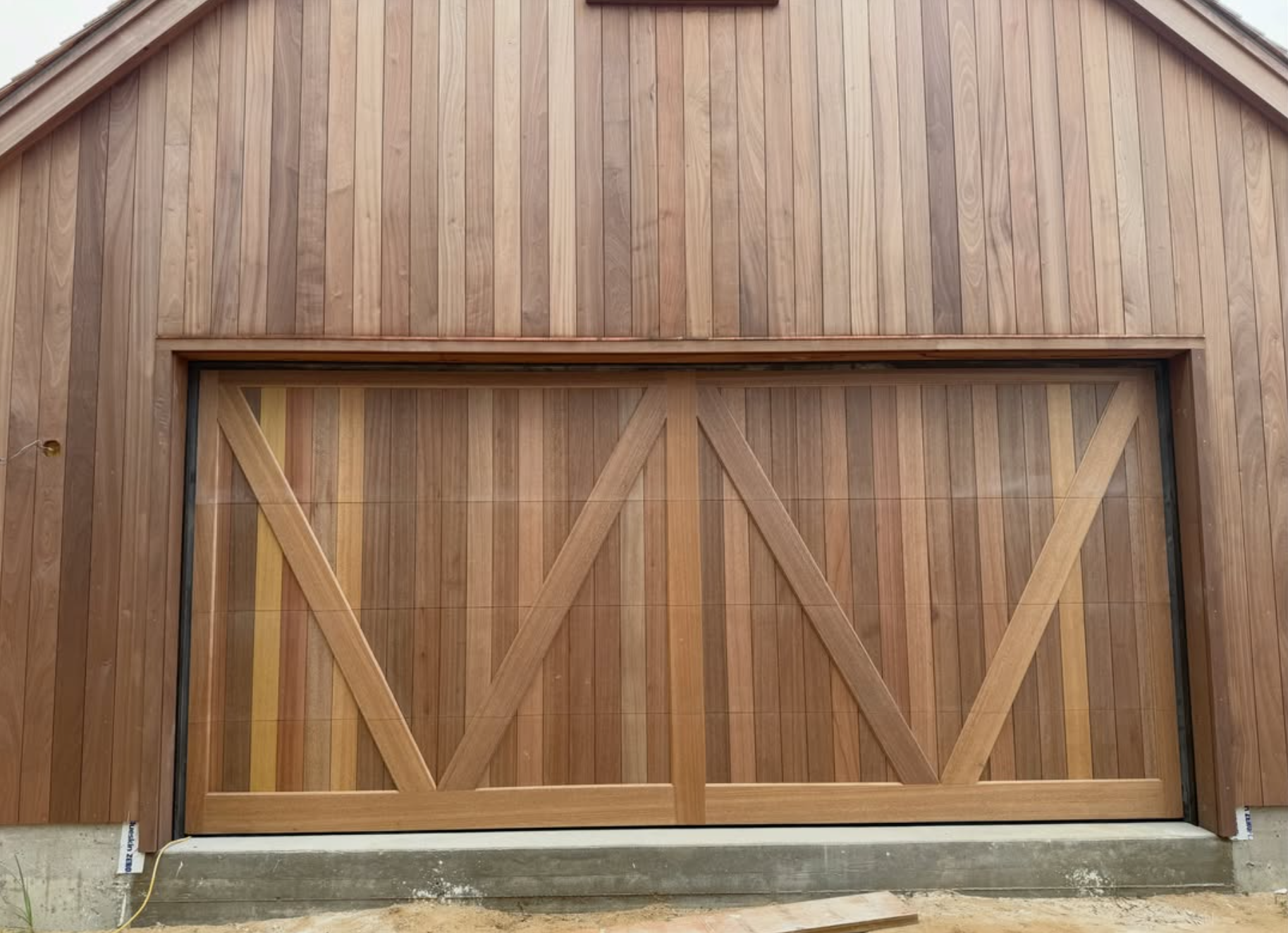
1. Your Garage Door Won’t Open or Close
A garage door that won’t open or close correctly is perhaps the most common issue on this list. It may stop or reverse unexpectedly due to dead remote batteries, misaligned safety sensors or power supply issues.
If your opener appears to be operational, gently clear away any debris from the sensors located on either side of the door’s track. If this does not resolve the issue, a professional can determine the cause and fix the power supply if needed. In the meantime, avoid using the garage door — do not attempt to prop it open.
2. Your Garage Door Is Stuck
If your garage door is stuck in place or won’t lift at all, a snapped spring is likely the cause. Most homeowners find that their garage door lifts slightly, then reverses to its original position, leaving the door unusable. A professional garage repair technician can identify if there is a broken spring in the mechanism and either replace or repair it.
3. Noisy, Creaking Operation
If your garage door is making loud, noticeable creaks and rattling, it’s usually a sign that maintenance is overdue. A lack of lubrication, worn rollers and hinges or loose bolts and brackets are often to blame. A garage door is built with heavy metal and chains, which can rust and cause other issues if not repaired. If the sounds are louder and sound like parts banging around, you might want to book a professional review.
4. Broken or Frayed Cables and Wiring
Electrical issues with your garage door are usually caused by broken or frayed cables. If issues are unidentifiable, such as a door that won’t open, it could be due to an unseen wire failure. Because this is an electrical issue, it can be more dangerous if left unattended. It is recommended to have a professional assess the wiring.
5. Your Garage Door Is Off Track
If your door looks crooked or opens and closes at an angle, it’s likely off track. This is usually caused by an impact that pops rollers out of their tracks or loosens hardware. It can also result from age-related wear and tear, especially if your door has not had preventive maintenance.
Professional realignment or track repair may be necessary. If the damage is extensive, your technician may recommend replacing certain components or upgrading to a new garage door.
Request a Quote From A Better Door Co., Inc. Today
Is your garage door breaking or showing signs of damage, wear and tear or age-related issues? Then you need a professional eye for guidance. Call (631) 732-9654 today to speak with the experts at A Better Door Co., Inc. As a family-owned and has been serving homeowners throughout Nassau County and Suffolk County with expert garage door opener installation, maintenance, and repair services for decades, we have the skills needed to restore your garage door to full functionality.
How to Tell if Your Garage Door Sensor Is Bad
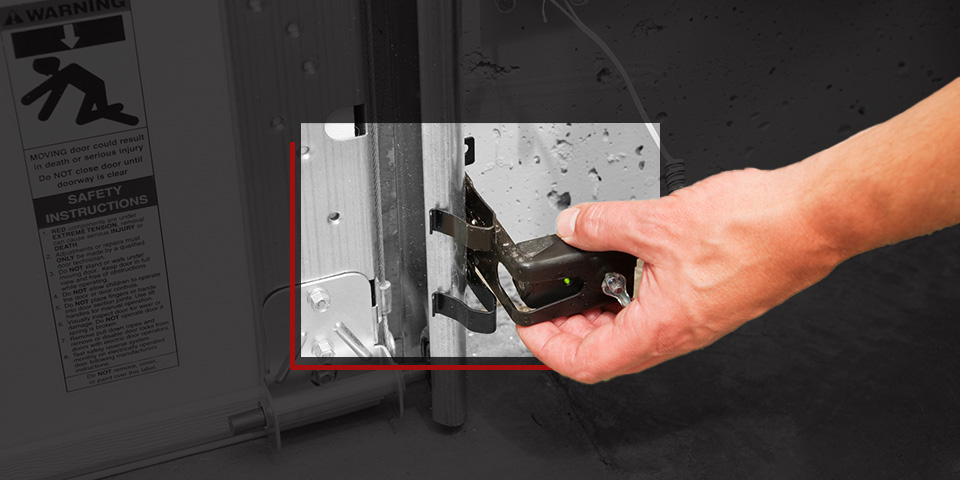
How to Tell if Your Garage Door Sensor Is Bad
Your safety relies on well-functioning garage door sensors, so detecting potential threats is crucial to ensuring your peace of mind and protecting yourself and your property. Let’s explore how you can know when your garage door sensor is bad.
Signs of a Bad Garage Door Sensor
Are your garage door sensor lights off or flashing and your door not closing? The safety sensors may be the issue. You can identify these problems early to prevent security vulnerabilities by inspecting the lights.
Inconsistent Lights
If you notice one light is red and the other is green, there might be a problem with your sensors.
Red Light
When both sensor lights are red, this means your system could be experiencing an alignment issue or an obstruction in the sensors’ path.
Green Light
Both lights should be green on your garage door sensors, as this generally means the sensors are functioning correctly. If one sensor’s light is off, you should look into potential problems.
When Does a Garage Door Sensor Need Replacement?
Wiring problems often cause sensor malfunctions. Over time, wear and tear affect wiring and disrupt sensor-control panel communication. Frequent false alarms or erratic, random behavior may mean it’s time for a replacement. Here is how you can check to make sure.
How to Test Your Garage Door Sensors
If one garage door sensor light is red and the other is green, or both are red, there are several ways to see if the issue is due to wiring issues or other problems. Some steps to take include:
- Checking sensor alignment: Ensure that both sensors are aligned properly and clean any dirt, dust, cobwebs or debris that could blind them.
- Removing obstructions: Clear the area of all objects that could get in the way of the two sensor units.
- Inspecting sensor wiring: Look at the sensors for any areas needing replacement or repair.
- Reviewing their power supply: Perform a simple test to determine sensor functioning and confirm that they receive a consistent power supply.
You may need to look into a replacement if these steps don’t resolve the issue.
Work With Our Team to Replace Your Garage Door Sensors
If the issue persists after these steps, it may be time to seek professional help. A Better Door Co., Inc. can diagnose the root cause and recommend reliable solutions. We are a local garage door opener repair company offering fast and reliable repair services throughout Suffolk and Nassau Counties. Contact us for a free estimate and schedule a day for services to secure your home’s safety.
How to Open a Frozen Garage Door
Finding your garage door frozen to the ground is a common problem during the winter months. There are several reasons that may cause this to happen.
One common cause is the buildup of snow and ice on the ground underneath the door. Long Island, NY averages between 20 and 35 inches of snow each year!
Another reason your garage door may become stuck is that the weather seals are worn and in need of replacement. Cold weather can also cause the metal components of garage doors to contract, which can result in misalignment in the tracks and other mechanical problems. In some situations, such as in the case of mechanical problems, you should consult your preferred garage door technician. That said, in many cases, you can safely free your garage door on your own.
If you find yourself in this situation, what can you do to get your door unstuck?
Five Tips for Getting Your Garage Door Unstuck From Ice
If your garage door becomes stuck on ice or snow, try these five tips to open it:
- Check the door for any obstructions or broken parts. If you see something that looks particularly damaged or unsafe, contact a professional.
- If you are able to get inside the garage and nothing looks amiss, pull the manual release cord to disengage the door from the opener. Then, if you are able, manually open and close the door a few times to dislodge frost and loosen any frozen sections.
- If you can’t open the door manually, you likely have ice buildup under or just outside the door. Try applying heat using a blow dryer or heat gun set on low and go over these icy sections, steadily moving the heat blower back and forth. If your garage is heated, that will also help provide some relief to a stuck door.
- If you don’t have a heat blower, try chipping away at the ice, pouring boiling water on the frozen areas or applying rock salt or hot salt. If you have time to wait, the door may thaw out on its own if temperatures are going to rise above freezing, or you can try using a space heater.
- If none of these tips work, contact a professional garage door service.
How to Prevent Your Garage Door From Freezing Shut
To prevent your garage door from getting frozen shut, take the following preventive measures:
- Clear the garage door area: Remove any snow and ice from around the door area on a regular basis so buildup does not occur.
- Replace the weather seal: Weather seals or weatherstripping can become cracked and worn over time, which allows water to accumulate and freeze.
- Apply a light Silicone Spray: You can help prevent sticking by applying a lubricant such as a silicon spray to the bottom of your garage door’s bottom seal.
- Install a garage heater: A heater is a simple solution for preventing any freezing in the garage, but it does create an added expense. There are gas and electrical heater options, and gas is usually cheaper than electric.
- Perform and schedule regular garage door maintenance: Regularly inspect the tracks, wheels and door for any obstructions, cracks or breaks and schedule maintenance appointments with the professionals.
Contact A Better Door Company For Preventive Maintenance
Contact A Better Door Company for your garage door preventative maintenance services. We are a family-owned company that has served Long Island for over 30 years.
We provide spring repair, cable repair, opener repair and weekend emergency repair as well as maintenance and installation services throughout Nassau and Suffolk counties.
Contact us online today for more information or give us call at (631) 732 -9654.
When Should You Repair or Replace a Garage Door?
When Should You Repair or Replace a Garage Door?
If you’re like most Long Island homeowners, you probably don’t give much thought to your garage door. You assume that when you hit the button on the remote or keypad, the door will open or close on demand.
But, as with any mechanical object, a garage door can fail to function correctly. A door system contains a variety of parts such as the opener, springs, cables and pulleys. An issue with any of these items and a host of other potential problems may require you to make an important decision: should you repair or replace your garage door?
Common Garage Door Problems
What can go wrong with a garage door? Here’s a list of some of the more common garage door problems:
- The door won’t open or close.
- The door opens too slowly or drops too quickly when closing.
- You hear strange noises while the door is operating.
- You notice damage to one or more of the panels.
- The door opens slightly and then closes immediately.
- The door appears to be sagging.
Depending on the nature and severity of the issue, you may need to make repairs to the damaged area or consider a full garage door replacement.
When to Repair a Garage Door
You can resolve many common garage door problems without having to replace the door. For example, if you try to open the door and nothing happens, a simple battery replacement in the opener’s remote-control unit may rectify the issue.
If you notice an imbalance on one side of the door, replacing a worn spring will often provide the solution. If a snapped or frayed cable is affecting the door’s operation, a cable upgrade can have it working properly again in no time.
Does your garage door have a damaged panel? A ball or other object that strikes the door or an accidental vehicle collision can create a dent or scratch. Most residential garage door manufacturers offer individual panels for sale that allow you to swap out the damaged unit without having to replace the entire door.
When to Replace a Garage Door
As your garage door ages, it’s likely to require more frequent maintenance and repair work. Replacing the entire garage door system is typically more cost-effective than paying for expensive repairs over and over again. Also, a door will often exhibit telltale signs that it’s wearing out, such as loud noises or slower opening and closing.
These symptoms tend to get worse with time.
If your door hasn’t been working properly for a while and is at least 10 years old, you should strongly consider an upgrade. If you have a household full of kids and pets, a new door can also offer a host of essential safety features you won’t find in older door systems. And if you’re looking to sell your home, replacing an aging garage door can enhance its curb appeal and boost its resale value.
Contact A Better Door Co., Inc. for more expert advice regarding when to repair or replace the garage door on your Long Island home.