

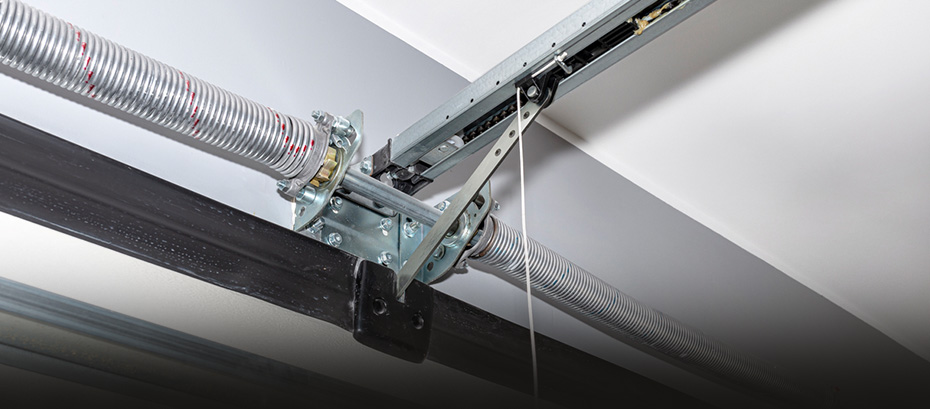
All About Garage Door Springs
Your garage door opens and closes dozens of times each week, and garage door springs make that smooth motion possible. These steel coils work under tremendous force to counterbalance hundreds of pounds, allowing you to operate the system safely. When they wear out or break, a door can slam shut in seconds, causing serious injury or property damage.
Understanding how these components function, recognizing warning signs of failure and knowing when to call for help can protect your family while extending your garage door system’s life. This guide covers what you need to know about spring maintenance, repair and replacement.
Types of Garage Door Springs
Modern garage doors rely on two main spring systems, each using a different mechanical approach to lift and lower the panels.
Torsion springs mount on a metal bar above the opening and twist to generate torque, sitting horizontally while offering smooth, quiet operation. The three main types include standard versions for residential doors, steel rolling models for commercial applications and easy-set designs for simpler adjustments. Most modern installations use torsion systems because they last longer and distribute weight evenly.
Extension springs run along both sides, parallel to the upper tracks, stretching as the door closes and contracting to lift it back up. You’ll find three versions:
- Clipped-end (most durable)
- Double-looped (moderate strength)
- Open-looped (least expensive but shorter lifespan)
In Long Island’s coastal climate, material quality becomes especially important. Higher-grade steel with protective coatings resists rust and extends functional lifespan under harsh conditions.
How Garage Door Springs Work
Garage door springs store and release energy to offset heavy panels while allowing openers to do their job without excessive strain. They are part of the door’s counterbalance assembly, which also includes drums, cables and other hardware.
Operating through rotational force, torsion springs wind tightly as the door closes, then unwind when you activate the opener to turn the shaft and pull the panels upward using cables and drums.
Unlike torsion systems, extension springs extend to store energy as the door closes, then contract to pull on cables and pulleys that lift everything back up.
Failure happens for predictable reasons. Repeated coiling creates microscopic cracks until the metal can no longer hold the load, while mismatched hardware or heavy panels force the system beyond its intended capacity. Dry coils generate friction and heat that wear out metal faster, and rust acts like sandpaper to accelerate breakdown.
When springs fail, openers face excessive strain that can result in snapped belts, overheated motors and stripped gears from unbalanced tension.
Signs Your Springs Need Repair or Replacement
Recognizing problems early prevents dangerous failures and costly damage through a combination of visual inspection and performance monitoring.
Watch for these visual warning signs:
- Visible rust or corrosion: Orange or brown discoloration weakens the metal and creates friction points that accelerate wear.
- Gaps between coils: When you see separation in the tightly wound steel, the hardware has stretched beyond normal operating parameters.
- Obvious physical damage: Bent coils, broken wires or visible cracks require immediate replacement.
- Loose or slack cables: Hanging or frayed cables mean tension has dropped below safe levels.
Performance issues include doors closing too fast, uneven opening on one side, sagging when partially raised or complete refusal to open. A loud banging sound often accompanies a broken garage door spring, and doors that won’t stay up pose immediate safety hazards.
Never attempt DIY repairs, as the tremendous force involved can cause serious injury. For information about these problems and other common garage door issues, consult professional garage door spring service providers.
Spring Lifespan and Maintenance
Torsion springs typically last 10,000 cycles, which can translate to seven to 12 years depending on use. Climate, frequency of use and maintenance practices all affect actual lifespan.
Homeowners can perform simple maintenance tasks to extend longevity:
- Visual inspections: Check periodically for rust spots, stretched coils or gaps, and perform balance testing by disconnecting the opener and manually lifting the door halfway to see if it stays in place.
- Track cleaning: Clean tracks allow rollers to glide smoothly. Debris can cause misalignment that forces the system to compensate for uneven weight distribution.
- Lubrication: Spray coils with manufacturer-approved lubricant to minimize friction and reduce wear.
Annual inspections by trained specialists can help reduce the risk of sudden breakages while keeping families safe from high-tension failures and catching worn parts before they trigger emergency repairs. Experts assess system balance and identify problems that remain invisible to untrained eyes.
Repair vs. Replacement — What to Expect

Once they snap, springs cannot be repaired because the coiled steel loses its structural integrity permanently. Minor tension adjustments or lubrication can address unbalanced or squeaking doors, but only if the metal coils remain completely intact.
Replacement becomes necessary when there’s a snapped wire, visible gaps or when the hardware reaches the end of its life cycle. The process involves shutting off power, releasing high-tension coils safely with winding bars, removing old hardware, installing new components, re-securing cables and winding everything to specified turns.
Cost factors include whether you’re replacing a single unit or a pair, material quality, cycle rating and labor charges. You should replace both together, even if only one breaks, since they wear at the same rate. Installing matched pairs ensures equal tension while reducing opener strain. Contact qualified professional garage door spring service technicians for replacement.
Garage Door Spring Safety Considerations
Garage door springs and hardware operate under significant strain and pose serious risks, including snapping without warning, flying metal parts and heavy panels falling suddenly. Peer-reviewed research documents severe eye injuries from spring repair attempts, and an OSHA citation details an incident where a worker fell a significant distance when unbalanced doors lurched from stored energy.
DIY garage door spring repair is extremely dangerous because sudden release can cause severe injury or property damage. Many manufacturers require certified technicians to handle installation, and DIY work voids warranties while creating potential liability issues. Trained specialists provide dated receipts and service records needed if parts fail prematurely, and they carry liability insurance.
For urgent or dangerous failure situations, seek emergency repair service immediately.
Spring Selection for Your Home or Building
Choosing the right hardware requires understanding door weight, door type and frequency of use. Heavier panels need stronger components with higher weight ratings, while material choices (steel, wood, insulated panels) and door configuration (single versus double) affect selection. How often you use the system influences whether standard-cycle or high-cycle versions represent the smarter long-term investment.
Commercial installations handle heavy use and frequent operation throughout the workday. These systems rely on larger-diameter components and robust materials to lift reinforced industrial panels repeatedly. Residential versions prioritize smooth movement, quiet operation and affordable replacement costs.
For contractors and property managers, durability and cost trade-offs become important considerations. Standard-duty options require more frequent replacement despite lower up-front costs. High-duty versions carry higher initial prices but reduce annual maintenance expenses.
Local Considerations for Long Island
Long Island’s coastal environment creates unique challenges for garage door hardware. Salt air and humidity trap moisture in steel coils along with corrosive salt deposits, leading to premature snapping and sudden failure. Protective coatings and corrosion-resistant materials become essential rather than optional, extending component life while preventing dangerous breakages.
Seasonal temperature swings add mechanical stress to systems across Suffolk and Nassau counties. Coastal humidity, salt exposure and freezing winters combine to accelerate metal fatigue and increase failure rates.
Local technicians understand these regional wear patterns because they see daily how coastal conditions affect steel components. This experience helps them calibrate precise tension and recommend hardware suited for the island’s unique microclimates.
Contact A Better Door Co., Inc for Expert Spring Service

Understanding how garage door springs work helps you make informed decisions that protect people and property. A Better Door Co., Inc has served Suffolk and Nassau counties for over 30 years, bringing expertise to every service call. We’re a garage door repair company that handles spring repair and replacement, along with cables, tracks, rollers, openers and panels.
Whether you need professional garage door spring service or want to request a free estimate, our team is ready to help. Contact our team to speak with one of our experts.